Electric Vehicles: The Future of the Automobile Sector
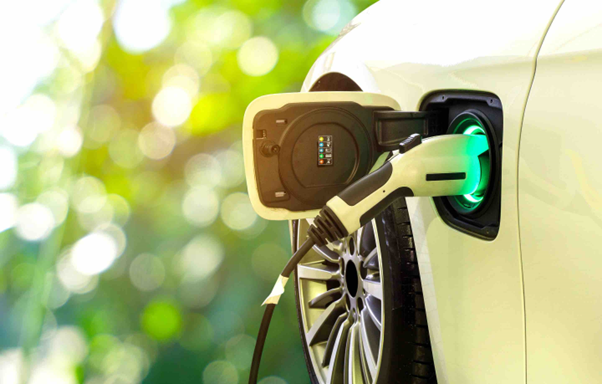
With growing awareness of global warming and climate change, countries around the world are looking to switch from combustion-engine vehicles to electric vehicles (EVs). As a result, demand for EVs continues to rise, and they are widely seen as a key part of the shift to cleaner transport.
Today, cars, buses, trucks and even tractor-trailers are increasingly powered by electricity. Electric vehicles fall into three main types:
1. Battery Electric Vehicles (BEVs)
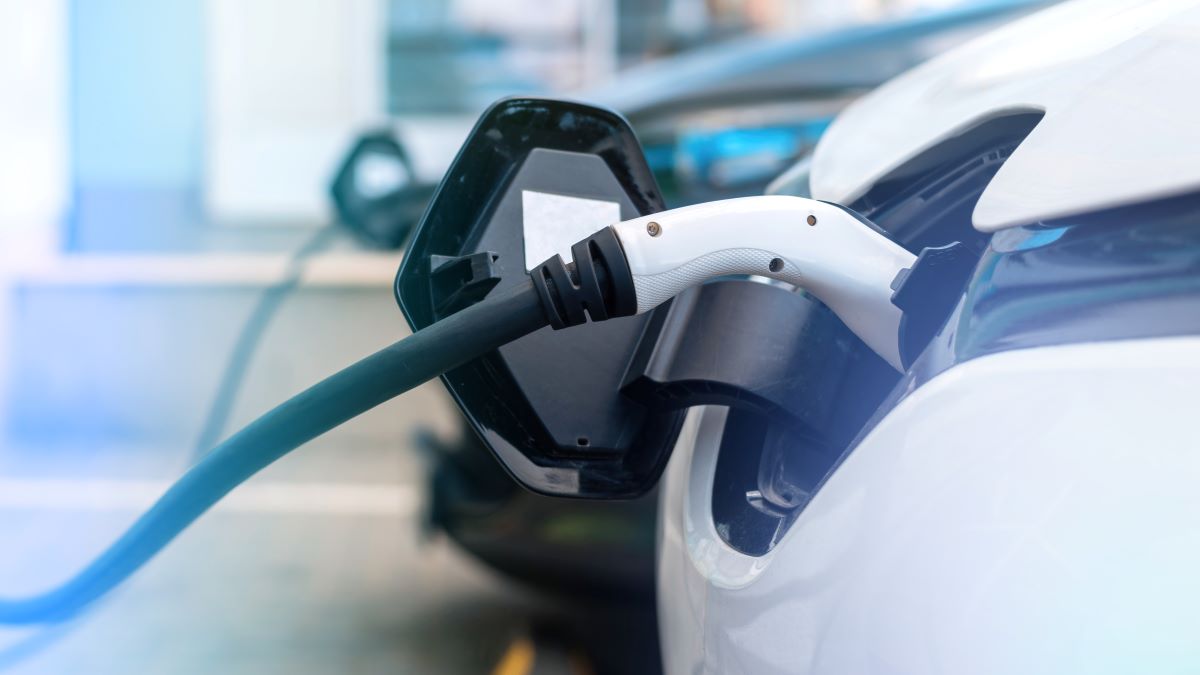
Battery electric vehicles are fully electric, with rechargeable batteries and no petrol engine. They use an electric motor instead of an internal combustion engine, powered by a large traction battery pack that must be plugged into a wall outlet or charging equipment, known as electric vehicle supply equipment (EVSE).
Key minerals used in BEV batteries include graphite, cobalt, lithium, manganese and nickel.
2. Plug-in Hybrid Electric Vehicles (PHEVs)
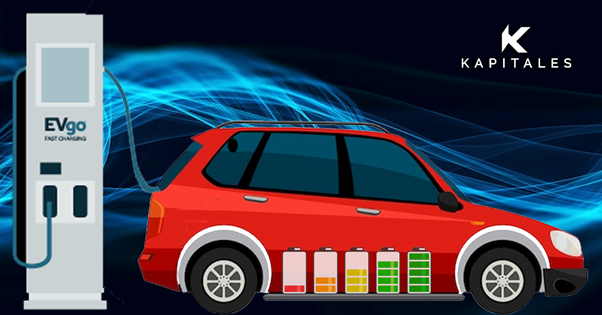
Plug-in hybrid electric vehicles use a battery to power an electric motor and petrol or another fuel to power an internal combustion engine.
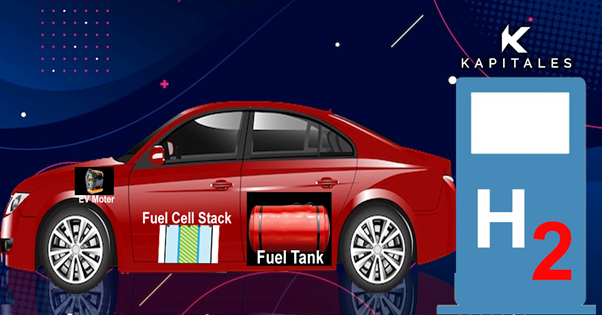
3. Fuel Cell Electric Vehicles (FCEVs)
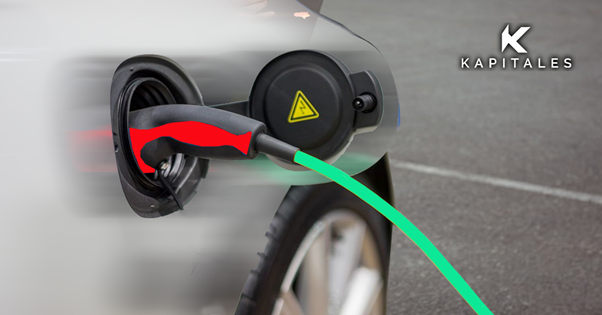
Fuel cell electric vehicles are powered by hydrogen. They are more efficient than conventional internal combustion engine vehicles and produce no tailpipe emissions, emitting only water vapour and warm air.
Platinum and ruthenium play a major role in fuel cells. Platinum acts as a catalyst, converting hydrogen and oxygen into electricity, heat and water.
Ruthenium oxidises carbon monoxide and removes it from the platinum surface. This prevents surface blockage, which would otherwise reduce the activity of platinum-based catalysts in fuel cells.
.png "ASX Gold Banks Stocks")

.png "ASX-listed Gold stocks")